Loading...
Serving Hollister, CA and surrounding areas. (831) 271-0388
Master HollisterDeck & Fence
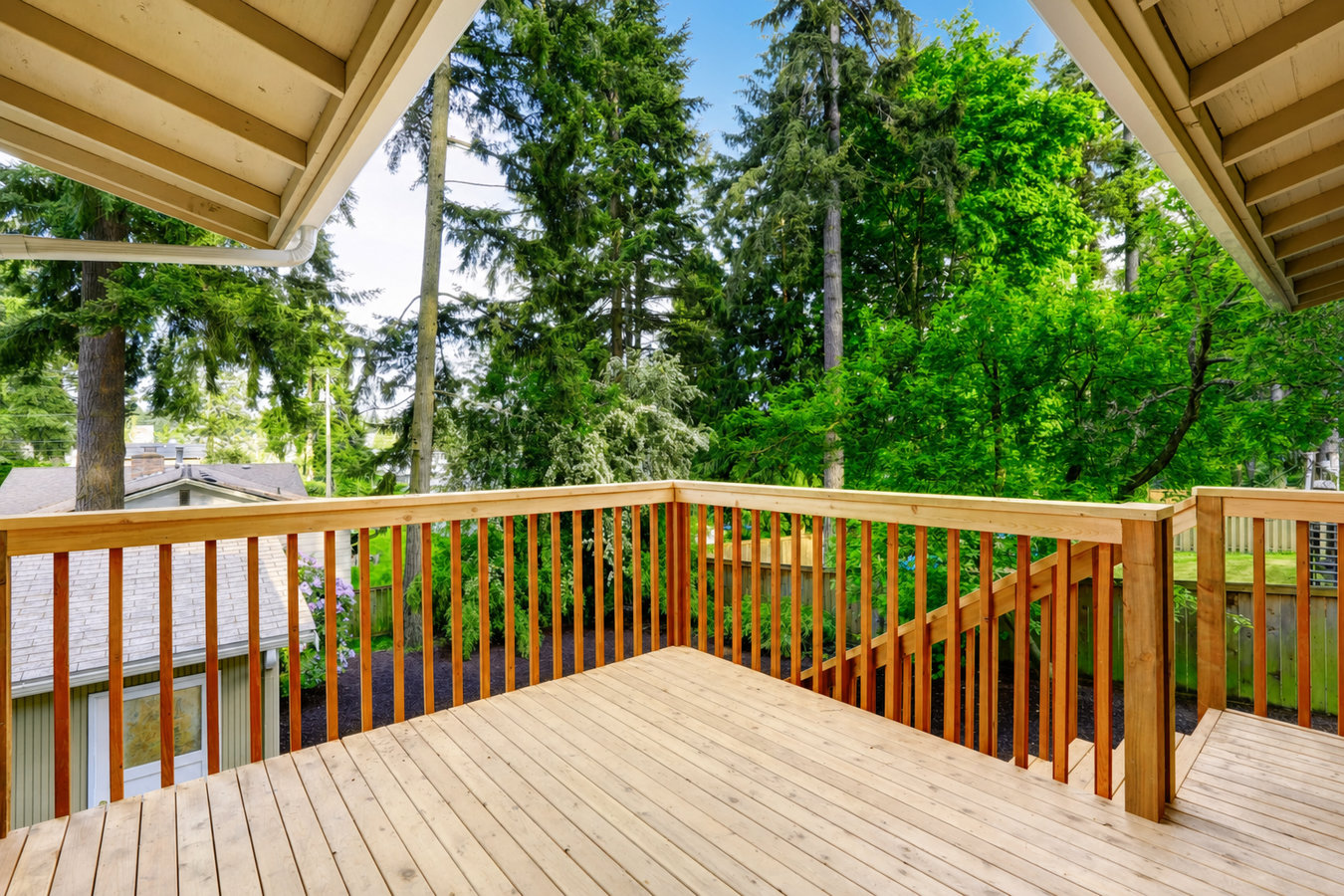
A railing that wobbles is not just an eyesore in Hollister's seismically active area - it is a safety risk. We install and replace deck railings with post anchoring rated for local conditions, permits pulled from the City of Hollister, and an inspection passed before we leave.
Deck railing installation in Hollister means removing the existing railing, anchoring new posts into the deck frame with hardware rated for lateral seismic load, and installing the rail system and balusters to California height and spacing standards - most standard jobs are complete in one full day of work, plus one to two weeks for the City of Hollister permit process.
For a lot of Hollister homeowners, the railing is the one part of the deck they ignore until it becomes a safety problem. A railing that was fine when the house was built in the 1980s may have loose posts from decades of thermal expansion and contraction in the valley climate, or baluster gaps that no longer meet current standards. Deck railing installation in Hollister is also required by California code on any deck that sits 30 inches or more above the ground - which covers most elevated decks in the area.
If your deck itself needs structural attention alongside the railing - soft boards, a weak ledger connection, or posts that have shifted in Hollister's clay soils - our custom deck design and build service handles the full scope in one project, which is almost always more cost-effective than two separate contractor visits.
Stand at the top rail and push outward firmly with both hands. If the railing shifts, wobbles, or feels springy, the posts are no longer anchored securely. This is the single clearest sign that your railing is no longer safe - and in Hollister's seismically active area near the Calaveras Fault, a loose railing is a real hazard during even minor ground movement.
Run your hand along the top rail and press your thumb into the post bases near the deck surface. If the wood feels soft, spongy, or crumbles slightly, rot has set in. Hollister's combination of summer heat and winter moisture creates ideal conditions for wood decay, especially on older decks where the finish has worn through completely.
Stand back and look at the vertical balusters filling your railing. If the gaps look wide enough for a small child to squeeze through or get their head stuck, the spacing no longer meets current safety standards. This is especially common on Hollister homes built before the 1990s, when baluster spacing rules were less strict than today.
Stand next to your railing and notice where it hits your body. If it falls below mid-thigh, it is likely shorter than what California now requires. Railings on older Hollister homes were sometimes built at 32 or 34 inches - below the current 36-inch minimum - and a short railing offers much less protection than it should when someone leans against it.
We install wood, composite, vinyl, aluminum, and cable railing systems across Hollister and the surrounding San Benito County area. Each material has real trade-offs that matter in this specific climate. Wood is the most affordable upfront but needs regular sealing to handle the valley's hot summers and wet winters - without it, post bases and top rails start to break down within a few years. Composite and vinyl cost more to install but require almost no maintenance beyond an occasional rinse. Aluminum is the most durable option for homeowners who want to set it and forget it. Cable railing is a good fit when the view from the deck matters and you want to preserve sightlines.
We also install stair handrails that meet California's graspable profile requirements - a detail commonly missed on older Hollister decks and one of the first things a city inspector will flag. If your deck connects to a multi-level design with multiple stair runs, we coordinate the railing system across all levels so the transitions look intentional and meet code at every elevation change.
The most affordable upfront option - suits homeowners who want a traditional look and are comfortable with regular sealing and maintenance every one to two years.
Low-maintenance alternative to wood that handles Hollister's temperature swings well - no painting or sealing required, with a clean consistent appearance year to year.
Powder-coated aluminum holds up to coastal fog and valley dust with almost no maintenance - suits homeowners who want longevity and do not want to think about upkeep.
Horizontal stainless steel cable strung between posts - suits homeowners who want an open, modern look that preserves sightlines from the deck to the yard or view beyond.
Hollister's position near the Calaveras Fault makes post anchoring more than a cosmetic detail. The area experiences regular minor ground movement, and railing posts that are surface-mounted with lag screws into decking boards - a shortcut that is common on cheaply installed systems - will fail under lateral seismic load long before they should. Posts need to be through-bolted or anchored into the structural frame of the deck itself, with hardware rated for the seismic design category that applies in San Benito County. That is the difference between a railing that passes inspection and one that gets flagged. Hollister's climate adds another layer: the valley's temperature swings from summer highs into the 90s down to cool winter nights loosen fasteners over time, and the coastal fog that rolls through periodically can accelerate rust on uncoated hardware. Choosing materials and fasteners rated for outdoor exposure in this specific environment is not optional - it is what keeps the railing solid five and ten years from now.
We work across the Hollister area, including homeowners in Aromas and Gilroy. Railing requirements and permit processes vary slightly by jurisdiction, and we know which office handles which neighborhoods so there are no delays from submitting to the wrong department.
We ask how long your railing run is, how high your deck sits off the ground, and whether you have stairs. You hear back within one business day. You do not need to know measurements precisely - we confirm everything in person.
We come to your property, measure the railing run, and check the condition of your existing posts and deck frame. This visit is free, and it is where you receive a written quote with no obligation to proceed.
If your project requires a permit - which it usually does in Hollister for railing replacement or new installation - we submit the application to the City of Hollister Building Division. Plan for one to two weeks for processing. We handle everything; you do not need to visit the building department.
The crew removes the old railing, reinforces any framing that needs it, and installs the new posts and rail system in a single full day for most standard decks. A city inspector signs off once the work is complete. We walk you around before leaving so you can push on the rail and confirm everything is solid.
Free on-site estimate, written quote before any work starts, permit handled for you. You hear back within one business day.
(831) 271-0388Hollister sits near the Calaveras Fault and experiences regular ground movement. We anchor railing posts with hardware rated for lateral seismic force - not just the downward weight of someone leaning over the rail. That means your railing stays solid through the minor earthquakes that are part of daily life in this area.
North American Deck and Railing AssociationWe submit the building permit to the City of Hollister Building Division, track the review, and schedule the city inspector visit after the work is done. Permitted railing work is on record when you sell your home - no surprises during escrow and no negotiating repairs after the fact.
City of Hollister Building DivisionA large share of Hollister's housing stock dates from the 1970s through the 1990s - an era when railing standards allowed shorter heights and wider baluster gaps than what is required today. We assess the full railing during every estimate visit and tell you exactly what needs to change before any work begins.
You can verify our California Contractors State License Board license at cslb.ca.gov before signing anything. We carry general liability insurance and workers' compensation on every project and can provide documentation on request - no awkward conversations when you ask to see it.
Verify a CA contractor license at CSLBEvery railing we install in Hollister is permitted, inspected by a city official, and anchored to standards that account for the local seismic zone and climate. That combination - documented work, correct hardware, and proper post depth - is what protects your family now and your home value later.
If your deck itself needs a full rebuild alongside new railings, our custom design service covers structure, materials, and railing system in one coordinated project.
Learn MoreEvery elevated level on a multi-level deck requires compliant railings - we build and install both the deck structure and the railing system together.
Learn MorePermit season fills up fast in San Benito County - lock in your start date now so the inspection is done before you need the deck this spring.