
Loading...
Serving Hollister, CA and surrounding areas. (831) 271-0388
Master HollisterDeck & Fence
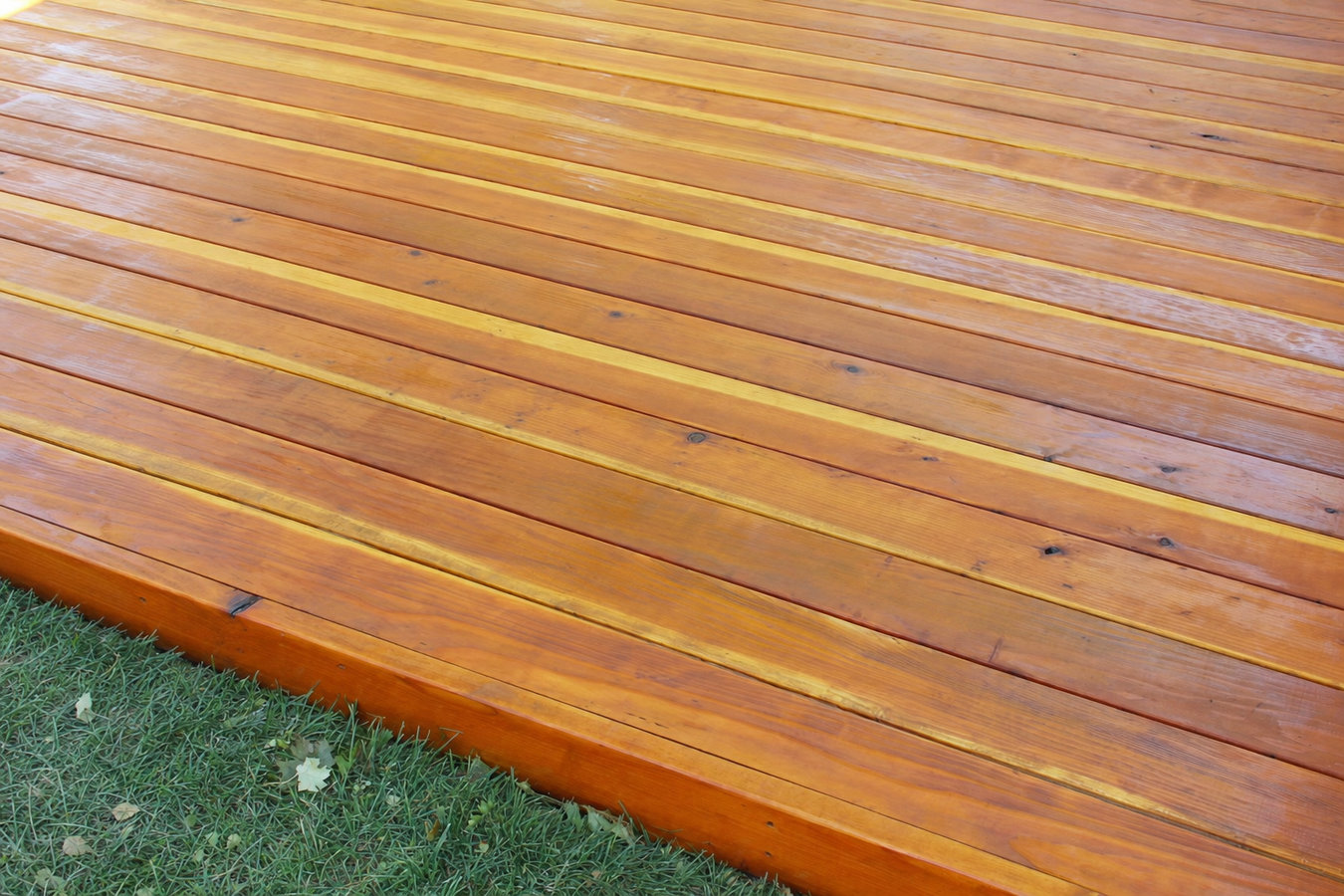
Hollister summers fade and crack unprotected wood fast. We prep the surface right, use UV-rated products, and seal your deck before the winter rains arrive.
Deck staining and sealing in Hollister protects wood from the inside out against UV fading and moisture absorption, most jobs take one to two days from cleaning to final coat, and decks in this climate typically need attention every two years rather than the three-year cycle common in milder parts of the country.
If you own a wood deck in Hollister - cedar, pressure-treated, or any other species - the combination of hot, dry summers and concentrated winter rainfall is harder on unprotected wood than most homeowners expect. The UV rays fade the color and dry the fibers, then the rainy season soaks into the open wood and causes swelling and cracking. If you are also weighing whether your deck might need repairs before it can be stained, our deck repair and replacement page walks through how to read the signs.
The good news is that staining and sealing is one of the most cost-effective things you can do to extend the life of a wood deck. Done correctly - with proper prep and the right products for the local climate - a fresh treatment can add years of life and keep your deck looking solid through the seasonal swings that come with living in the San Benito Valley.
When deck boards lose their original warm color and go gray or silver, the surface protection has worn away and the sun has been breaking down the wood fibers. In Hollister's high-UV environment this can happen within two seasons of the last treatment. Once the wood goes gray, it is not too late to treat - but the sooner you act, the less prep work is needed.
Pour a small cup of water on your deck boards. If the water beads up and rolls off, the sealer is still doing its job. If it soaks in and darkens the wood within a few seconds, the sealer has worn out and the wood is absorbing moisture - which leads to swelling, cracking, and eventually rot. This test takes about 30 seconds and tells you exactly where you stand.
Small cracks along the surface or edges of deck boards are a sign the wood is drying out from Hollister's dry summer heat. Left untreated, those cracks widen with each wet season and can eventually compromise the structural integrity of the boards. Catching this early - when cracks are still shallow - means staining and sealing can stabilize the wood before replacement becomes necessary.
If you see patches where the old stain is lifting, bubbling, or flaking off, the finish has failed and is no longer protecting the wood underneath. This often happens when a previous job was done on wet wood or without proper prep. A new application will not stick over a failing finish, so the old material needs to be stripped or sanded before anything new goes on.
The right approach depends on what your deck looks like right now. Some decks need a complete strip and restain because an older failing finish has to come off before anything new will bond. Others just need the surface cleaned and a fresh coat applied. If your deck boards are still solid and the wood looks healthy, a seal-only application can refresh the protective layer without the full stain cost. And if you are in one of Hollister's newer planned neighborhoods, we work with HOA color requirements so you do not end up with a finished deck your association asks you to redo.
We also handle the full range of related work. If the deck needs a few boards replaced before we stain, we handle that as part of the same job. If you are thinking about building a pool deck alongside the work, we can coordinate both projects and give you a combined estimate. Every job ends with a walkthrough and specific guidance on how long to wait before using the deck and how often the treatment should be renewed for Hollister's climate.
For decks that need complete surface treatment - cleaning, prep, and a fresh coat of stain and sealer applied to every surface.
For recently stained decks where the color is still good but the protective layer needs refreshing.
For decks with a failing old finish that has to be removed before new product can bond properly.
For homeowners in Hollister planned communities where the association has approved color requirements.
Hollister sits in a Mediterranean climate with long, dry summers and concentrated winter rainfall. That seasonal swing - baking heat followed by soaking rain - is harder on unprotected wood than the steady, moderate conditions most product manufacturer guidelines assume. The UV index here is high for much of the year, which means color fades faster and the wood fibers start breaking down quicker than homeowners from more temperate climates typically expect. Newer neighborhoods on the east side of town have a lot of decks hitting the two-to-three-year mark for first-time treatment, and getting that first coat on before the wood weathers significantly makes every subsequent treatment easier and cheaper. Homeowners in San Juan Bautista face the same climate conditions and the same timing window.
There is also a narrower scheduling window here than in most parts of California. The best time to stain and seal is late spring through early fall - roughly April through October. Staining in summer works well if you schedule early in the day before the heat peaks, since temperatures in the 90s can cause product to dry too fast and leave uneven results. For homeowners in Gilroy and surrounding communities, the same spring-to-fall window applies. HOA guidelines in some of Hollister's planned developments add one more layer to the decision - checking your association documents before committing to a color saves the headache of being asked to change it after the work is done.
When you reach out, we ask a few basic questions - the size of your deck, when it was last treated, and whether you have noticed any damage. We reply within one business day and schedule a free on-site estimate at a time that works for you.
We walk the deck and check for loose boards, popped nails, soft spots, and areas where the old finish has failed. You receive a written price before we schedule anything. A contractor who quotes you over the phone without seeing the deck is not giving you a reliable number.
The crew cleans the deck thoroughly - usually with a pressure washer or hand-applied cleaning solution - then allows it to dry completely before any product is applied. This step is what separates a finish that lasts two or three years from one that peels within months.
Once the deck is clean and dry, we apply the stain and sealer across the full surface - boards, railings, and stairs. After the product cures for 24 to 48 hours, we do a quick walkthrough with you to point out anything to watch and confirm when it is safe to move furniture back.
We visit in person, give you a written price, and schedule around your availability. No obligation.
(831) 271-0388The most common reason a fresh deck finish fails within months is contaminated or wet wood at application time. We do not shortcut the cleaning and drying step - that is where the quality of the final result is actually decided. The USDA Forest Products Laboratory identifies surface preparation as the single biggest predictor of coating longevity.
Hollister gets strong sun for most of the year, and a standard deck stain will fade noticeably faster here than in cloudier climates. We use products specifically rated for high-UV environments so the color holds through the summer and the wood stays protected into the rainy season.
Several of Hollister's newer planned communities have guidelines about deck finishes and approved colors. We are familiar with the local area and can help you navigate those requirements before work begins - so you are not stuck redoing the job over a color that did not clear your association.
One of the biggest concerns homeowners have is a quote that balloons once the crew shows up. We do a thorough in-person assessment before giving you a number, so what you agree to is what you pay. No mid-job surprises on the invoice.
Deck staining and sealing is not complicated work, but it is easy to do poorly. The difference between a finish that lasts two or three years and one that peels within a season almost always comes down to prep and product selection - and both of those decisions happen before a brush or roller touches the wood. We have worked on wood decks throughout Hollister and the surrounding San Benito County area, and we know what Hollister summers and winters do to finishes that were not designed for this climate. You can also verify any contractor you are considering through the California Contractors State License Board.
Build a safe, cool-underfoot pool deck designed for Hollister's summer heat and clay soils.
Learn MoreIf your deck has structural damage beyond what staining can fix, we assess the full frame and give you an honest repair-vs-replace recommendation.
Learn MoreStaining season fills up fast - book your in-person estimate now and get your deck protected before the summer UV and fall rains arrive.